Mineral Coal Activated Carbon - Carbon
Showing all 3 results
Coal Activated Carbons
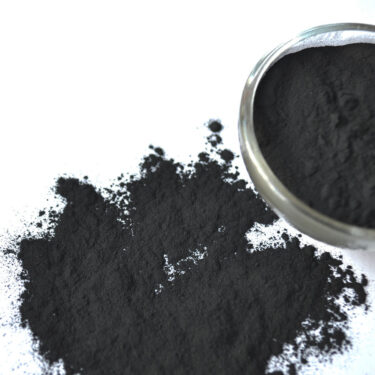
Mineral Coal activated carbons are a form of carbon that has been processed to enhance its adsorption properties. They are used to remove organic molecules, hydrogen sulfide, and other contaminants from water. Activated carbon can be produced from mineral coals such as bituminous or lignite through a process called activation. This process involves treating the organic material with steam at high temperatures in the presence of an oxidizing agent such as oxygen or ozone (O₃).
Mineral activated carbons are typically manufactured from coal or lignite. Activated carbon derived from lignite coal is a softer mineral compared to bituminous coal. This raw material creates a long, dense, and porous structure with a large internal surface area, allowing the adsorption of color molecules over smaller ones.
Key Differences Between Lignite and Bituminous Coal Activated Carbons
Bituminous coal generally has a higher carbon content than lignite, resulting in lower ash production when using bituminous coal.
Bituminous coal activated carbon creates pores of various sizes (micropores, mesopores, and macropores), making it suitable for different types of water treatment, ranging from drinking water to tertiary wastewater treatment. In contrast, lignite-based activated carbon is macroporous and more commonly used in liquid decolorization processes, similar to wood-based activated carbon.
The purer the bituminous coal, the lower the optimal temperature at which it can be heated. Bituminous coal has a higher carbon content, which makes it burn at higher temperatures. This means that bituminous coal is more challenging to manufacture into activated carbon compared to lignite. Lignite has a lower carbon content, so it burns at a lower temperature.
Bituminous mineral activated carbon is easier to manufacture than lignite-based activated carbon. You may not have realized it, but the entire comparison between bituminous and lignite coal reflects what happens when different types of biomass are heated. As you know, bituminous coal is purer than lignite. It is also easier to heat and break into smaller pieces, which simplifies its conversion into activated carbon.
Mineral Activated Carbons
Although there are some differences between the two types of mineral activated carbons, both serve the same purpose: removing contaminants from water. The main difference is that bituminous coal tends to have a higher carbon content than lignite, resulting in less ash production during the manufacturing of this type of activated carbon. Additionally, its density and hardness are significantly higher in bituminous activated carbon, making it more resistant to operational pressures in water treatment plants.