Special or Impregnated Activated Carbons
Showing all 7 results
Special or Impregnated Activated Carbons
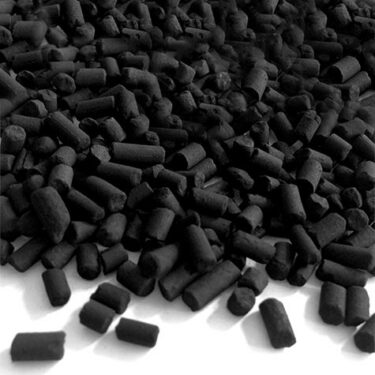
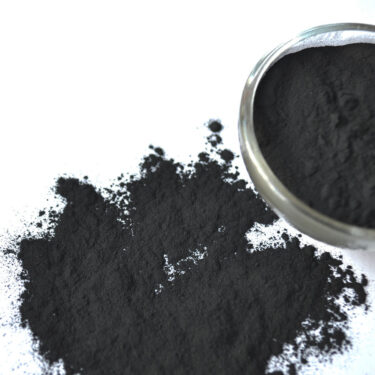
Impregnated activated carbons are used to remove compounds that a standard activated carbon cannot, such as mercury vapors or acid gases. Activated carbon impregnated with silver is also known as a bacteriostatic agent in water, which prevents bacteria from growing on the carbon throughout its useful life.
Chemical Impregnation Treatment in Activated Carbon
Chemical treatment is the process of adding chemicals to activated carbon. Chemical treatment can be used to remove mercury vapors and acid gases. It can also be used to remove hydrogen sulfide, hydrogen cyanide, hydrogen chloride, nitrogen oxides, and sulfur dioxide.
Chemicals are added to increase the carbon’s effectiveness or as a reaction medium, which neutralizes, retains, or reduces the compound to be removed.
Mercury Control
Mercury control is important for both the environment and human health. Mercury is a dangerous gas that can cause health problems through inhalation or ingestion, especially in the form of methylmercury. Methylmercury forms when mercury transforms into an organic compound in water, which can be absorbed by the tissues of living organisms through gills or skin. The main source of methylmercury contamination comes from burning fossil fuels like coal, oil, and natural gas to generate electricity and heat our homes.
If you want to ensure your process doesn’t contribute to mercury emissions into the environment, it’s best to use impregnated activated carbon instead of conventional activated carbons to remove mercury from waste gases.
Unimpregnated Activated Carbon
Activated carbon is a porous material that has been processed to give it many thousands of surface areas. This is why it absorbs gases and liquids very well. It’s used to remove odors and impurities from air and water, and also in many industrial processes, such as removing sulfur compounds from gasoline before the fuel can be sold on the market. It’s also common in agriculture; a common type of activated carbon is used to purify irrigation water by removing excess salts from fertilizer runoff.
In medicine, activated carbons are sometimes used as absorbents for extravasation (blood escaping outside its vessels) or surgical fluids. This latter application doesn’t differ much from its industrial use: Activated carbon absorbs organic compounds better, which explains why many water purification systems use this substance.
However, as mentioned, activated carbon alone doesn’t remove all compounds, and some inorganics like acid gases produced by mercaptans cannot be removed naturally.
Impregnants Added to Activated Carbon
Impregnants in activated carbon can include metallic silver (not colloidal), or an alkali. These are used as active ingredients in processes to neutralize toxic compounds from the gas or liquid phase. Activated carbon impregnation is a process that involves fixing certain chemicals or metals to the surface of an adsorbent (like carbon) through physical or chemical bonds.
Impregnated activated carbon is also used to remove acid gases such as hydrogen sulfide, hydrogen chloride, and ammonia from the atmosphere. It’s important to know that activated carbons impregnated with silver or another chemical element are the best solution for removing toxic gases like mercury vapors and acid gases. These impregnated activated carbons can be used in many different applications due to their low toxicity and ease of handling.
-
Biostat – Bacteriostatic activated carbon
Add to quote -
Carvapur 40 – Activated Carbon for Organic Gases
Add to quote -
Vapacid – Activated carbon for acid gases
Add to quote -
Carvacid – Activated carbon for acid and organic gases
Add to quote -
Carvapox – Activated carbon for alcohol, aldehyde and alkene vapors
Add to quote -
Vapamon – Activated carbon for ammonia and amines
Add to quote -
Vapomer – Activated Carbon for Mercury Vapors
Add to quote