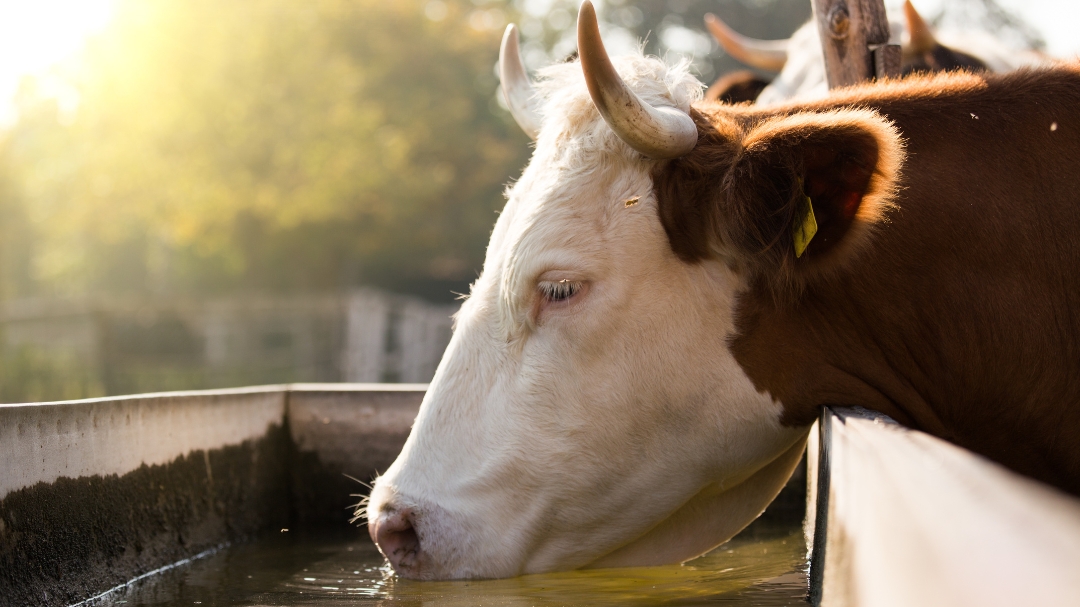
The use of water in livestock production can be focused on various activities such as feeding and hydration of livestock in general, cleaning of facilities and forage production to maintain a constant feed source.
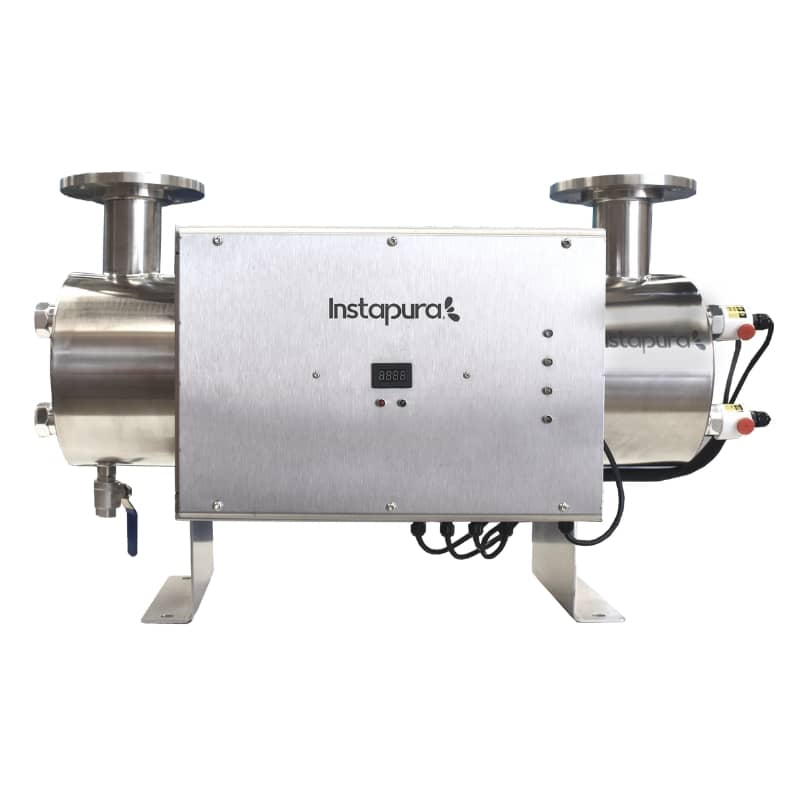
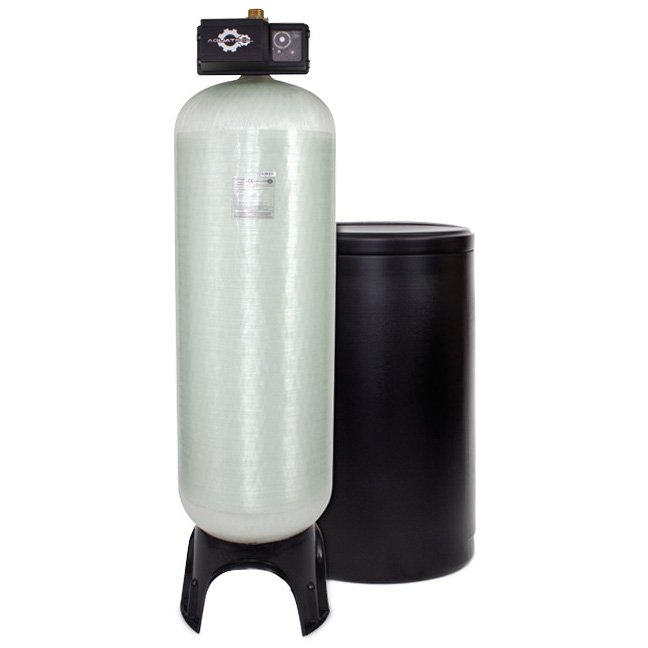
Having water treatment systems in livestock farming is a point to consider if you want to ensure that the water provided to farm animals is adequate to maintain their overall health and well-being.
Water consumed by cattle is involved in multiple physiological processes such as digestion and thermoregulation. In addition, supplying water that does not have the proper conditions due to the presence of contaminants can cause diseases that directly affect the productivity of livestock and the quality of all products derived from it.
In livestock farming, various contaminants can deteriorate water quality, compromising the health of livestock. Examples include the presence of pathogenic bacteria that cause disease, heavy metals such as lead and cadmium, as well as sediments that can affect the safety of drinking water for livestock.