As we know water is one of the primary resources for life and unfortunately it is a resource that does not renew itself. That is why we put the following 6 points to know that if we continue with current habits, both personal and in industry, in the next 10 years we will have a major global water crisis.

The world’s population is expected to grow from the current 7 billion to 10 billion by 2050. Providing safe drinking water to these extra 3 billion will be a major challenge.
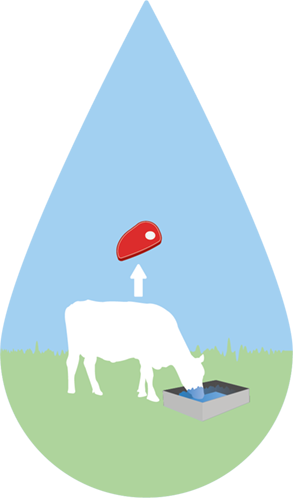
Factor number 2: Livestock Raising
Middle class people have a diet based on animal protein, this increases the need to produce enough meat to meet demand, however, producing half a kilo of meat uses 17 times more water than growing half a kilo of corn.

Factor number 3: Climate Change
Rising global temperatures are accelerating evaporation, which means that lakes and rivers are drying up faster.
Water supplies for crop irrigation are drying up.
Rainfall patterns are changing, there is more time between rains and their intensity has increased.
Times of drought harden the ground, and when it finally rains, the water stays on the surface and eventually evaporates or goes into the sewers instead of recovering subway supplies.
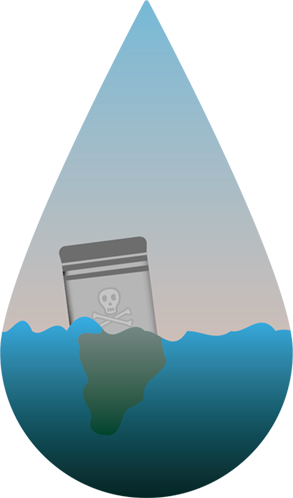
Factor number 4: Contaminated water
Globally, there has been an increase in the amount of agricultural and industrial chemicals leaching into water supplies.
To produce more food, more fertilizers and pesticides have been used, many of which end up in groundwater, lakes and rivers.
Extraction techniques such as hydraulic fracturing not only require the use of large quantities of water, but the chemicals added during the process contaminate drinking water supplies.

Factor number 5: Leakage
A large amount of water is lost every day around the world due to leaks, hydrants, theft and negligence.
For example, London loses about 30% of its water to leaks, Chicago loses about 25%, and in New York City, a hard-to-repair leak causes the loss of 35 million gallons of water per day.

Factor number 6: Industry
The energy needed to operate cars, computers and other applications has a high water cost.
The fuel industry needs 4 gallons of water for every gallon of gasoline.
Finally, hydraulic fracturing to extract natural gas uses up to 8 million gallons of water per well.
Conclusion
An immediate change is required in order not to deplete the vital liquid supply, the change must come from all the inhabitants of the planet, not only from large industries, because if we do not act now, we do not know what may happen in the not too distant future.
Related articles:
Which home water purifier to recommend and how to choose one